
The Hilleberg principles
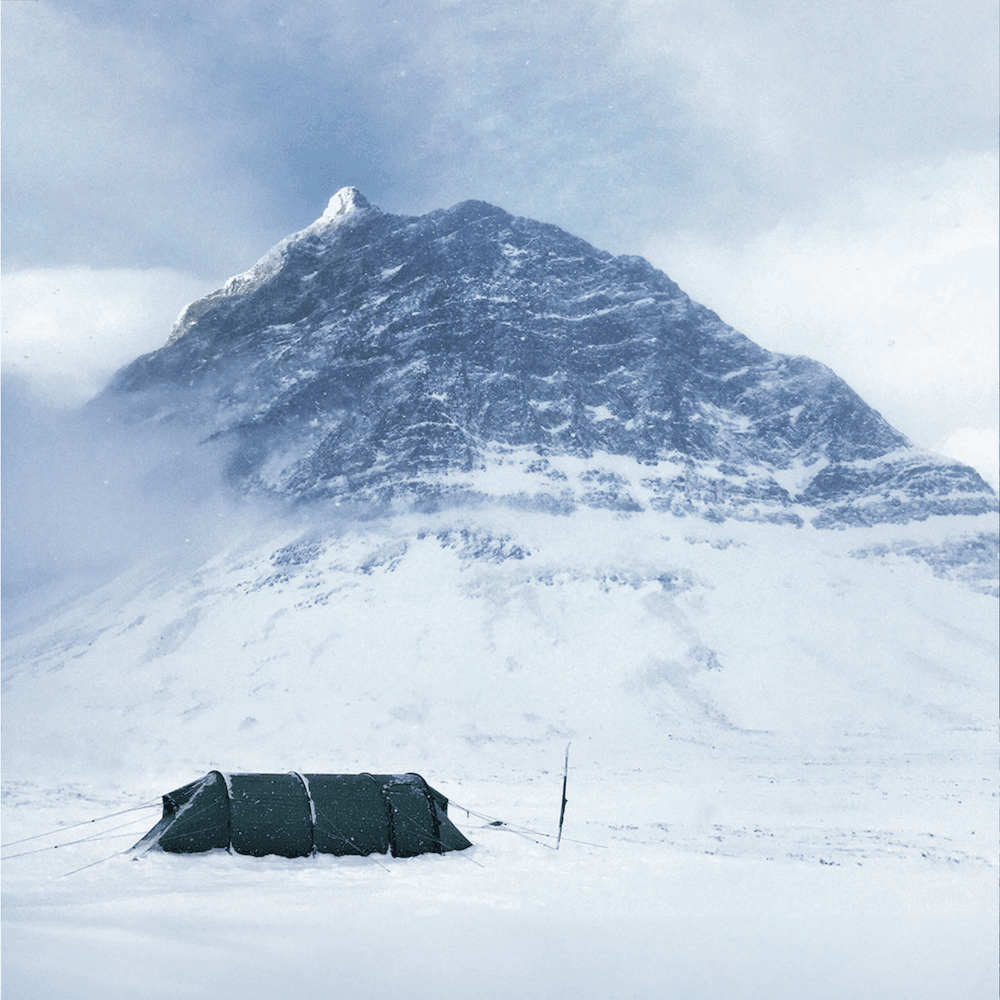
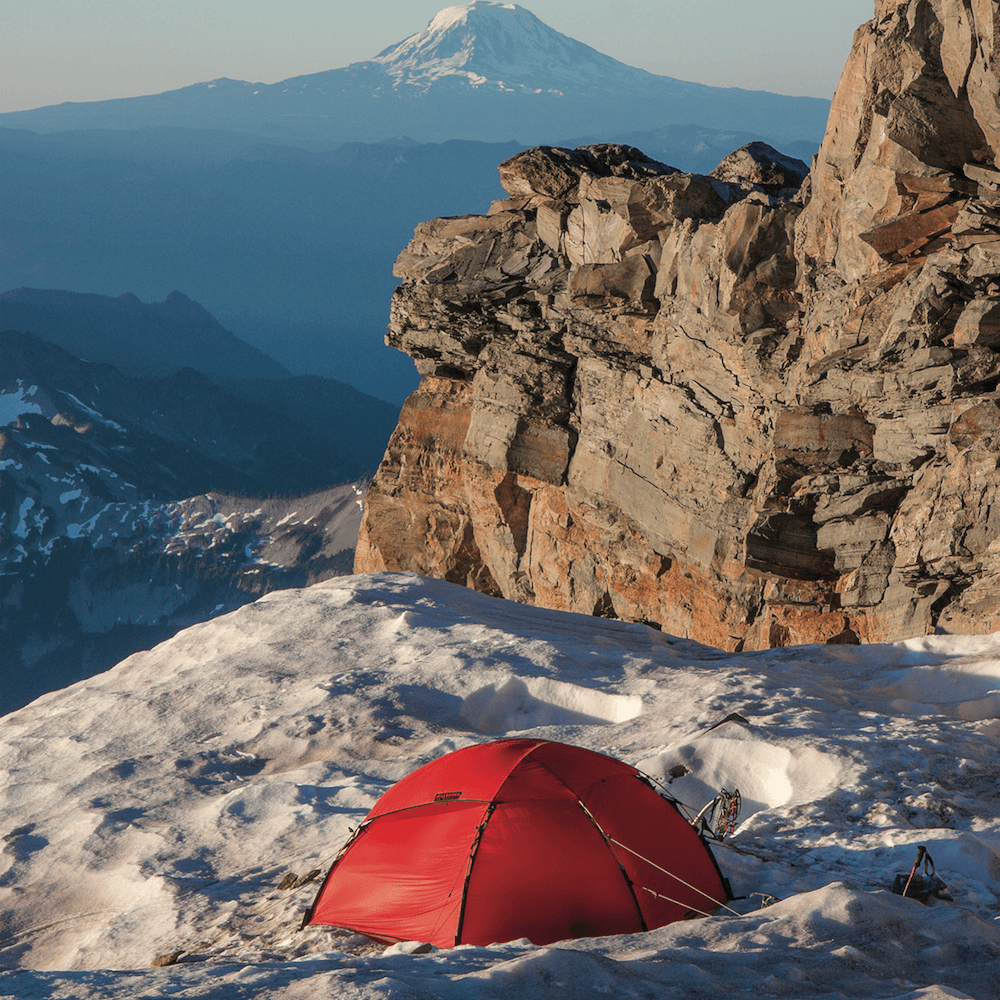

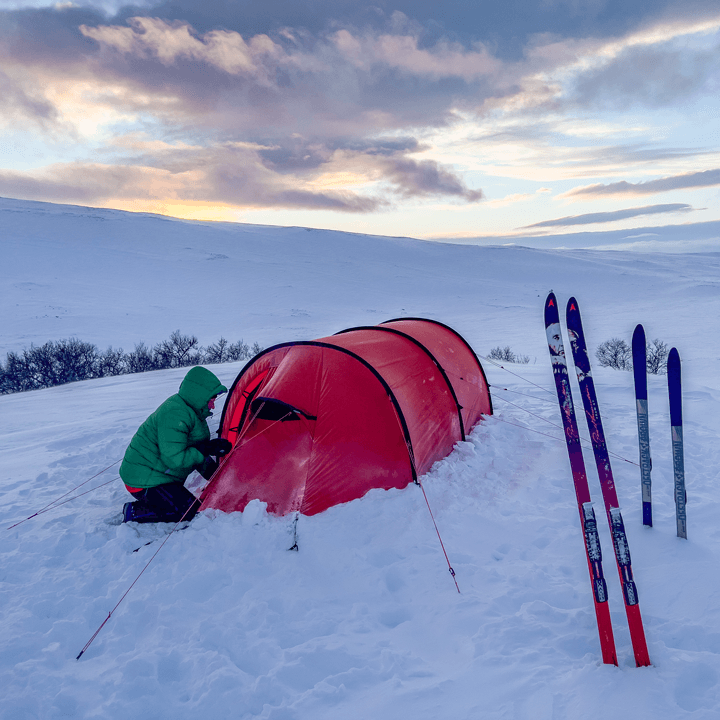
We build tents and backcountry shelters. That’s all we do. From our first tent in 1973, we have been driven by a single, simple point of reference: define the capabilities of the tent we envision, then build it with the most advantageous balance of our six principles: reliability, adaptability, ease of use, durability, comfort and low weight. We believe this method yields the highest performing shelter solutions available.
Reliability
Simply put, you must be able to rely on your tent, no matter where you go or what you do during your trips. All of our tents, even our very lightest ones, must meet very high standards for strength in their materials, design elements and construction techniques. We tend to both over-test and slightly understate the capabilities of our tents, and build them to be capable of handling harsher conditions than what we would actually recommend them for.
Adaptability
Because the backcountry is inherently unpredictable, your shelter should be able handle all kinds of weather and adapt effortlessly to changing conditions. It must perform equally well across a wide spectrum of wet and dry weather, warm and cool temperatures, and the fairest and foulest weather days. Features such as adjustable ventilation systems, numerous guy lines and peg points, and easily configurable doors and door panels allow our tents to be easily adjusted for a variety of environments.
Ease of use
A tent that is complicated or difficult to put up plainly falls short (or can potentially be dangerous in harsh weather). Our philosophy is that our tents should be able to be pitched in all conditions by one person, in the dark, while wearing gloves or mittens, even in a storm. Every Hilleberg tent features linked inner and outer tents that set up simultaneously – which makes pitching a simple, straightforward process – or that can be used separately for the greatest versatility.
Durability
Your tent must be durable enough to handle the daily happenings of your trips while also lasting for many years of use. We build our tents with the highest quality materials available, not only so that they can withstand harsh conditions – which is crucial for long trips in remote areas – but also so they can enjoy a long lifespan, which we believe is the most sustainable way to build a tent.
Comfort
In the backcountry, your tent is your home, and comfort is not a “luxury,” it’s a necessity. The seemingly small details of our tents are quite intentional, and turn a mere house into a home. All of our tents will comfortably accommodate their stated number of occupants plus their gear, and have bright, spacious interiors and roomy vestibules to make the time you spend in your tent all the more enjoyable.
Low weight
The key to our low weight principle is that we never consider weight an end in itself, but instead the mortar that binds all our criteria together. We could make even lighter tents, but we purposefully choose not to, because doing so would disrupt the balance of the principles that we seek to achieve in our tents. Our ultimate aim is not to make the lightest tents, but rather the most reliable, adaptable, easiest to use, durable and comfortable tents, at a light weight.
%20--%3e%3csvg%20version='1.1'%20xmlns='http://www.w3.org/2000/svg'%20xmlns:xlink='http://www.w3.org/1999/xlink'%20x='0px'%20y='0px'%20viewBox='0%200%2028%2028'%20style='enable-background:new%200%200%2028%2028;'%20xml:space='preserve'%3e%3cstyle%20type='text/css'%3e%20.st0{display:none;}%20.st1{display:inline;fill:%230C1114;}%20.st2{fill:%23FDFDFD;}%20.st3{display:inline;fill-rule:evenodd;clip-rule:evenodd;fill:%230C1114;}%20%3c/style%3e%3cg%20id='IG-Camera-1'%20class='st0'%3e%3cpath%20class='st1'%20d='M22.59,0H5.41C2.43,0,0,2.43,0,5.41v5.72v11.46C0,25.57,2.43,28,5.41,28h17.18c2.98,0,5.41-2.43,5.41-5.41%20V11.13V5.41C28,2.43,25.57,0,22.59,0z%20M24.14,3.23l0.62,0v0.62v4.13l-4.73,0.02l-0.02-4.75L24.14,3.23z%20M10,11.13%20c0.9-1.24,2.35-2.05,4-2.05s3.1,0.81,4,2.05c0.58,0.81,0.93,1.8,0.93,2.87c0,2.72-2.21,4.93-4.93,4.93c-2.72,0-4.93-2.21-4.93-4.93%20C9.07,12.93,9.42,11.94,10,11.13z%20M25.27,22.59c0,1.48-1.2,2.68-2.68,2.68H5.41c-1.48,0-2.68-1.2-2.68-2.68V11.13h4.18%20C6.55,12.01,6.34,12.98,6.34,14c0,4.22,3.43,7.66,7.66,7.66c4.22,0,7.66-3.44,7.66-7.66c0-1.02-0.2-1.99-0.56-2.87h4.18V22.59z'/%3e%3c/g%3e%3cg%20id='FB-Square'%3e%3cpath%20class='st2'%20d='M28,4.87v18.26c0,2.69-2.18,4.87-4.87,4.87h-7.3V17.65h3.65l1.22-4.26h-4.87V8.52h4.26V4.26h-7.3%20c-0.99-0.02-1.81,0.76-1.83,1.75c0,0.03,0,0.05,0,0.08v7.3H7.3v4.26h3.65V28H4.87C2.18,28,0,25.82,0,23.13V4.87%20C0,2.18,2.18,0,4.87,0h18.26C25.82,0,28,2.18,28,4.87z'/%3e%3c/g%3e%3cg%20id='YouTube'%20class='st0'%3e%3cpath%20class='st3'%20d='M24.58,0C26.47,0,28,1.53,28,3.42v21.16c0,1.89-1.53,3.42-3.42,3.42H3.42C1.53,28,0,26.47,0,24.58V3.42%20C0,1.53,1.53,0,3.42,0L24.58,0z%20M23.43,9.6c-0.23-0.85-0.89-1.51-1.74-1.74C20.16,7.45,14,7.45,14,7.45s-6.16,0-7.69,0.41%20C5.46,8.09,4.79,8.76,4.57,9.6c-0.41,1.54-0.41,4.74-0.41,4.74s0,3.2,0.41,4.74c0.23,0.85,0.89,1.51,1.74,1.74%20C7.84,21.23,14,21.23,14,21.23s6.16,0,7.69-0.41c0.85-0.23,1.51-0.89,1.74-1.74c0.41-1.54,0.41-4.74,0.41-4.74%20S23.84,11.14,23.43,9.6z%20M12.03,17.3v-5.91l5.11,2.95L12.03,17.3z'/%3e%3c/g%3e%3c/svg%3e)
%20--%3e%3csvg%20version='1.1'%20xmlns='http://www.w3.org/2000/svg'%20xmlns:xlink='http://www.w3.org/1999/xlink'%20x='0px'%20y='0px'%20viewBox='0%200%2028%2028'%20style='enable-background:new%200%200%2028%2028;'%20xml:space='preserve'%3e%3cstyle%20type='text/css'%3e%20.st0{fill:%23FDFDFD;}%20.st1{display:none;}%20.st2{display:inline;fill:%230C1114;}%20.st3{display:inline;fill-rule:evenodd;clip-rule:evenodd;fill:%230C1114;}%20%3c/style%3e%3cg%20id='IG-Camera-1'%3e%3cpath%20class='st0'%20d='M22.59,0H5.41C2.43,0,0,2.43,0,5.41v5.72v11.46C0,25.57,2.43,28,5.41,28h17.18c2.98,0,5.41-2.43,5.41-5.41%20V11.13V5.41C28,2.43,25.57,0,22.59,0z%20M24.14,3.23l0.62,0v0.62v4.13l-4.73,0.02l-0.02-4.75L24.14,3.23z%20M10,11.13%20c0.9-1.24,2.35-2.05,4-2.05s3.1,0.81,4,2.05c0.58,0.81,0.93,1.8,0.93,2.87c0,2.72-2.21,4.93-4.93,4.93c-2.72,0-4.93-2.21-4.93-4.93%20C9.07,12.93,9.42,11.94,10,11.13z%20M25.27,22.59c0,1.48-1.2,2.68-2.68,2.68H5.41c-1.48,0-2.68-1.2-2.68-2.68V11.13h4.18%20C6.55,12.01,6.34,12.98,6.34,14c0,4.22,3.43,7.66,7.66,7.66c4.22,0,7.66-3.44,7.66-7.66c0-1.02-0.2-1.99-0.56-2.87h4.18V22.59z'/%3e%3c/g%3e%3cg%20id='FB-Square'%20class='st1'%3e%3cpath%20class='st2'%20d='M28,4.87v18.26c0,2.69-2.18,4.87-4.87,4.87h-7.3V17.65h3.65l1.22-4.26h-4.87V8.52h4.26V4.26h-7.3%20c-0.99-0.02-1.81,0.76-1.83,1.75c0,0.03,0,0.05,0,0.08v7.3H7.3v4.26h3.65V28H4.87C2.18,28,0,25.82,0,23.13V4.87%20C0,2.18,2.18,0,4.87,0h18.26C25.82,0,28,2.18,28,4.87z'/%3e%3c/g%3e%3cg%20id='YouTube'%20class='st1'%3e%3cpath%20class='st3'%20d='M24.58,0C26.47,0,28,1.53,28,3.42v21.16c0,1.89-1.53,3.42-3.42,3.42H3.42C1.53,28,0,26.47,0,24.58V3.42%20C0,1.53,1.53,0,3.42,0L24.58,0z%20M23.43,9.6c-0.23-0.85-0.89-1.51-1.74-1.74C20.16,7.45,14,7.45,14,7.45s-6.16,0-7.69,0.41%20C5.46,8.09,4.79,8.76,4.57,9.6c-0.41,1.54-0.41,4.74-0.41,4.74s0,3.2,0.41,4.74c0.23,0.85,0.89,1.51,1.74,1.74%20C7.84,21.23,14,21.23,14,21.23s6.16,0,7.69-0.41c0.85-0.23,1.51-0.89,1.74-1.74c0.41-1.54,0.41-4.74,0.41-4.74%20S23.84,11.14,23.43,9.6z%20M12.03,17.3v-5.91l5.11,2.95L12.03,17.3z'/%3e%3c/g%3e%3c/svg%3e)
%20--%3e%3csvg%20version='1.1'%20id='YouTube'%20xmlns='http://www.w3.org/2000/svg'%20xmlns:xlink='http://www.w3.org/1999/xlink'%20x='0px'%20y='0px'%20viewBox='0%200%2028%2028'%20style='enable-background:new%200%200%2028%2028;'%20xml:space='preserve'%3e%3cstyle%20type='text/css'%3e%20.st0{fill-rule:evenodd;clip-rule:evenodd;fill:%23FDFDFD;}%20%3c/style%3e%3cpath%20class='st0'%20d='M24.58,0C26.47,0,28,1.53,28,3.42v21.16c0,1.89-1.53,3.42-3.42,3.42H3.42C1.53,28,0,26.47,0,24.58V3.42%20C0,1.53,1.53,0,3.42,0L24.58,0z%20M23.43,9.6c-0.23-0.85-0.89-1.51-1.74-1.74C20.16,7.45,14,7.45,14,7.45s-6.16,0-7.69,0.41%20C5.46,8.09,4.79,8.76,4.57,9.6c-0.41,1.54-0.41,4.74-0.41,4.74s0,3.2,0.41,4.74c0.23,0.85,0.89,1.51,1.74,1.74%20C7.84,21.23,14,21.23,14,21.23s6.16,0,7.69-0.41c0.85-0.23,1.51-0.89,1.74-1.74c0.41-1.54,0.41-4.74,0.41-4.74%20S23.84,11.14,23.43,9.6z%20M12.03,17.3v-5.91l5.11,2.95L12.03,17.3z'/%3e%3c/svg%3e)