
Sustainability
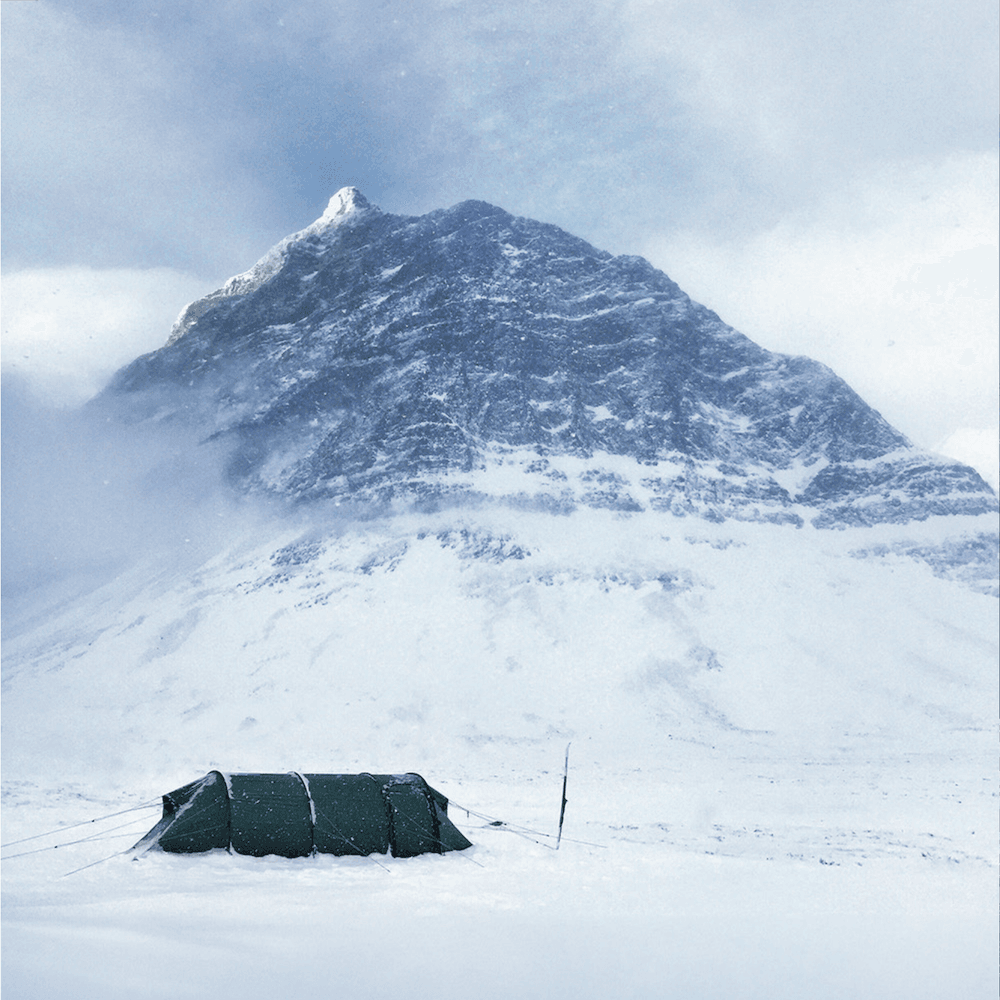
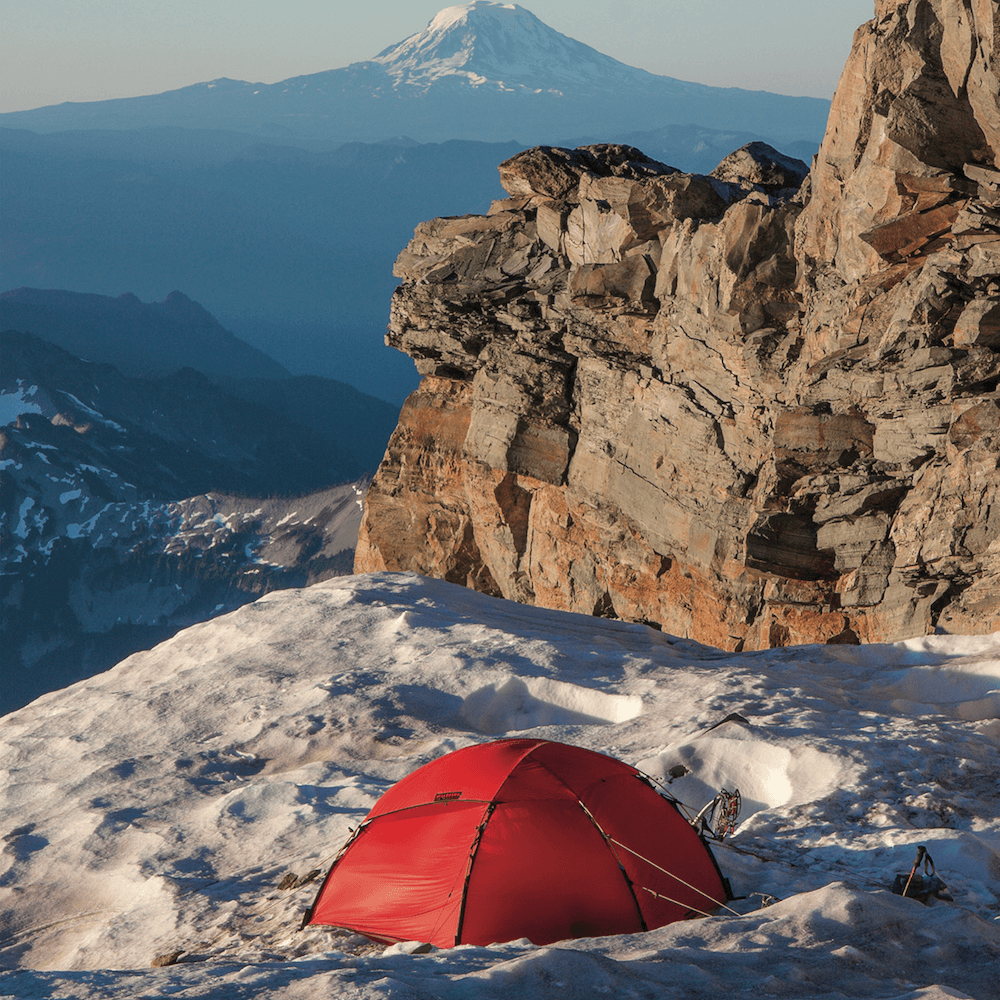
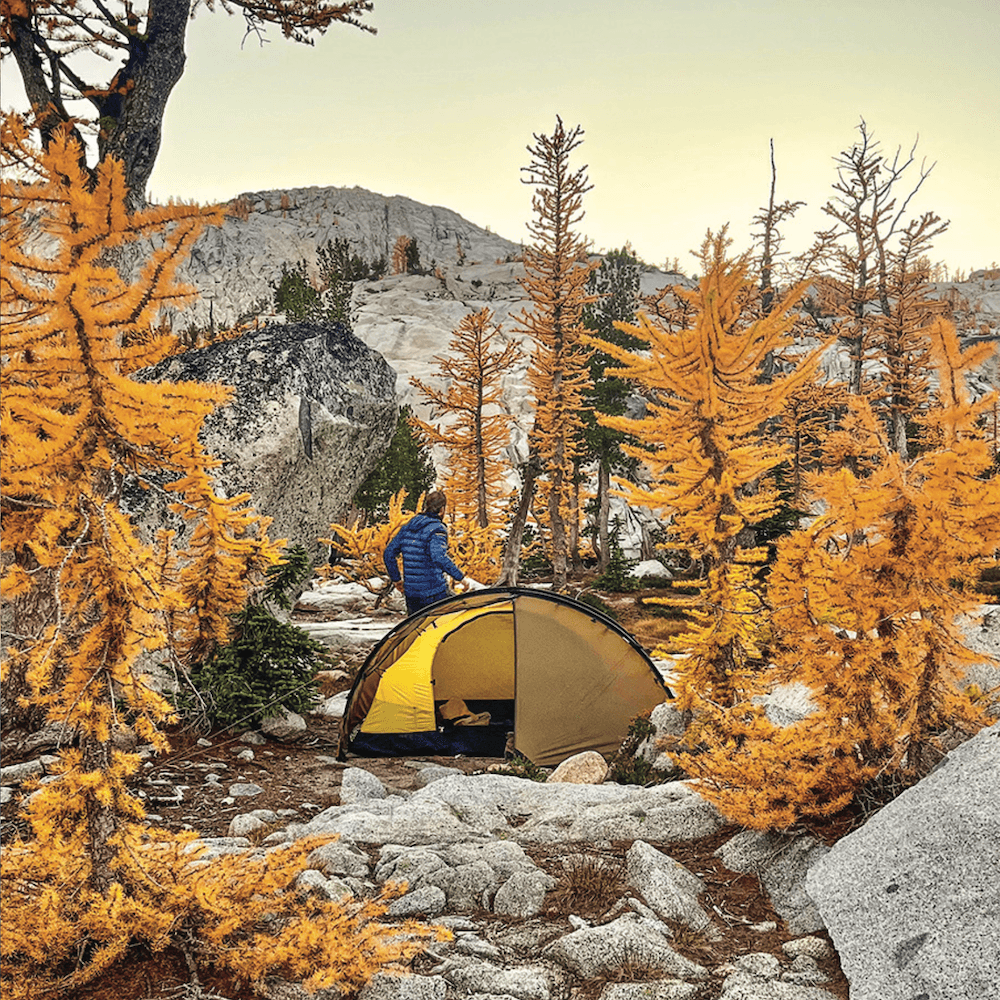
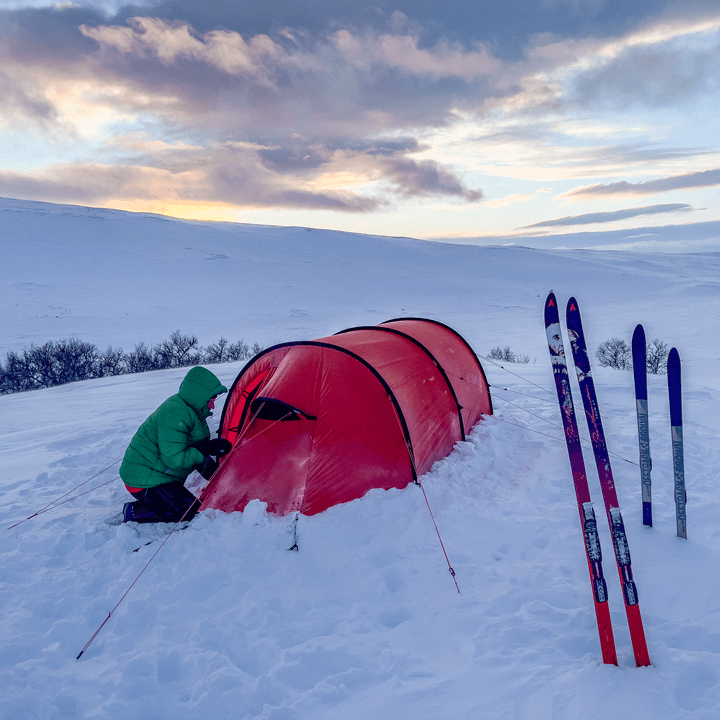
The Hilleberg Responsibility Code:
- We are responsible for making the highest quality tents that do what they’re supposed to do, with no compromise.
- We are equally responsible for using materials and practices that make as little negative impact on the world around us as possible in the process.
- We are responsible for constantly reviewing the balance between 1 and 2, and for always working towards both greater function and less negative impact.
Working responsibly
“Sustainability” has become an important topic these days. Clearly defining the term, however, can be elusive. At Hilleberg, when it comes to our approach to sustainability, we have always found it more useful to adhere to the idea of “responsibility,” instead. More specifically, we follow our own Responsibility Code.
At its heart, our Code comes from what we have always believed about integrating nature and the outdoor life with everyday life. Years ago, Bo Hilleberg wrote, “I do know that an outdoor life’s simplicity is what is most compelling: while it is – and always has been – a revelation to me to arrive at a beautiful place and camp, it has always been at least as important to leave that spot the next day looking as though I’d never been there.” These concepts of simplicity, engagement, and leaving as little an impact as possible on one’s surroundings transfers directly to how we run our company, and they have been guiding us since Hilleberg’s inception over 50 years ago.
To this end, we strive to make the most functional, yet simplest to use, products possible; to build them so they last a long time; to make sure that they work well for what they are designed to do; and to have the capability to repair our tents when necessary. We choose materials that will fulfill our standards without compromise, but whose production has as little harmful effect as possible. We endeavor to foster long-term relationships, built on integrity, with our suppliers, our retailers, and our customers. We ensure that all those who work for us have clean, safe working conditions, and are treated fairly and with respect. And we talk honestly about our products and how to use them.
We stay true to ourselves
Underlying our responsibility ethos is our purposeful choice to keep our company comparatively small and family-led. We are certainly not averse to growth, but we choose to manage it so that we can maintain the high quality of our products, of the work environment for our workers, and of our relationships with everyone we work with. These have always come first, and by keeping our company small, we can stay true to what we believe, work cleanly with our Responsibility Code, and be, in the truest sense of the word, sustainable.
We believe where we manufacture matters
When we moved our production out of Sweden over twenty years ago, we created our own factory in Rapla, Estonia. This is where the majority of our tents are manufactured, and we also work with a few carefully selected manufacturing partners nearby in Estonia, where each tentmaker works exclusively on Hilleberg tents. In 2023, we began manufacturing our Blue Label tents at a brand new, state of the art facility in Hanoi, Vietnam which is owned and operated by our pole supplier and close partner, DAC. Manufacturing at our own factory and working with only a select few subcontractors, chosen for their superior quality, allows us to not only get the exact quality we want, but also to guarantee that all staff are treated ethically and fairly, and are provided with an excellent working environment.
We use materials with the highest function and the least environmental impact
We have always prioritized choosing materials for our tents based on their performance while making sure they have the least environmental impact possible. In addition to complying with the European Union’s regulations for chemicals, we go beyond that, and are proud to now use only PFC-free (per- and poly-fluorinated compound) materials for our tents. We have spent the past few years carefully testing all aspects of our new PFC-free materials to make sure that they fully meet all our performance and quality requirements. While PFC-free fabrics do not have the same dirt and stain repellency as PFC-treated fabrics, they have far less of an impact on the environment. And to us, the occasional chance for a minor and purely cosmetic imperfection simply does not outweigh the lasting impact caused by using non-biodegradable chemicals.
We also carefully choose material suppliers whom we know can work within our requirements and that fit into our Responsibility Code. Our pole supplier, DAC, is a good example. The most environmentally harmful part of aluminum tent pole production is the anodizing process, which historically has used highly toxic nitric and phosphoric acids. DAC spent many years perfecting their Green Anodizing process, which eliminates both chemicals. They have designed and built their own equipment to keep their process as clean as possible, and they pride themselves on far exceeding any governmental requirements. They have also incorporated a “Green Atmosphere” into their facilities, complete with dedicated green space and water features, built to inspire people to think more about the natural world and their place in it.
We build our tents to last
Using only the strongest materials for our tents and prioritizing quality manufacturing is just one part of making sure our tents will last. Another big piece is our repair capability. From full repairs to fixing minor damage, we have both in-house repair specialists as well as a network of Hilleberg-trained repair contractors. We often hear from long-term customers who simply want their vintage but still fully functional Hilleberg tent (some are well over 30 years old) revitalized. This service not only reduces our impact on the environment, but also preserves the tents so they can be enjoyed for a lifetime of use, with the hope that they will be passed along for generations. Building a piece of gear that is meant handle many years of use is ultimately the most environmentally responsible practice.
We cultivate long-lasting partnerships
Essential to our responsibility ethos are the long-term relationships we build in all parts of our business. We have worked with DAC poles for over 25 years, and we are close friends with Jake Lah, the founder and owner. We have also worked with our main fabric supplier for at least as long, and with whom we have a similarly close relationship. With all our suppliers, we are in constant communication, and we push each other to be better in both function and processes. The resulting relationships, built over time on both loyalty and trust, allow each side to achieve more, to do so in a positive way, and with less negative impact on the world around us.
We firmly believe that our customers are our greatest asset. While many of our customers are true professionals, who do expeditions and exploring for their livelihood, most are simply people who love to be outdoors. All have chosen our tents, so all are a part of “Hilleberg.” Our goal is that anyone who is part of this Hilleberg family, no matter their skill level, can have a safe and enjoyable time in the outdoors. And in order to achieve that goal, we offer the best possible customer service to support customers during their journeys. This means providing detailed information about our products, their features and how to best use them, and answering any and all questions that might come up during use in the field. To us, high quality customer service is as important to as us building a high quality tent, which is why we emphasize long-term relationships and encourage open communication, so every customer both understands and receives what they need to have another successful trip.
Our Sustainability Work
Trees and tents: Vi-Skogen

Before Bo Hilleberg started making tents, he was a forester, involved with managing forest lands in Sweden. When he started Hilleberg, it was a forestry consulting and equipment company before it became a full-time tent making concern. So forests have always been integral to our company. This is why we feel so strongly about our partnership with Vi-Skogen, which we support by donating the equivalent of one planted tree for every tent we sell. For more than 35 years, Vi-Skogen has been contributing to improving the living conditions of over a million impoverished people living in the Lake Victoria Basin in East Africa. By planting trees and encouraging agroforestry – the planting of trees and crops together – as well as through education, Vi-Skogen helps small farmers combat poverty, environmental destruction and climate change. Each tree planted helps control erosion, pulls CO2 from the air, reduces evaporation and water use, and gives shade, shelter and protection for other crops. Both the education and the tree planting help improve living standards, foster greater equality, and improve the environment, both locally and globally. Vi Agroforestry is a part of the UN’s Billion Tree Campaign. Read more about Vi-Skogen at viskogen.se, or in English at viagroforestry.org
Reducing our carbon impact:
Ge Effektivt/Clean Air Task Force

It is important to us that we also consider the impact we as a company have worldwide, and that we do what we can to mitigate that impact. With the help of ZeroMission, we are able to calculate the carbon emissions output of our company, and we then use this figure as an approximation for how much we will donate through our partner Ge Effektivt, a Swedish non-profit organization. We choose to donate through Ge Effektivt – whose name translates to “Give Effectively” – because they do thorough research to find the best organizations to donate to, closely monitor all donations and projects, and most importantly, ensure that 100% of the donation reaches the intended cause, unlike many other organizations. Through Ge Effektivt’s recommendation, we have chosen to support the Clean Air Task Force (CATF), which since 1996 has been researching clean energy solutions and ways to implement them to reduce carbon and other harmful emissions. CATF advocates for commercial-level policy changes and incentives to increase the use of emissions-reducing energy technology. To learn more, visit ZeroMission at zeromission.se, Ge Effektivt at geeffektivt.se, and Clean Air Task Force at catf.us
%20--%3e%3csvg%20version='1.1'%20xmlns='http://www.w3.org/2000/svg'%20xmlns:xlink='http://www.w3.org/1999/xlink'%20x='0px'%20y='0px'%20viewBox='0%200%2028%2028'%20style='enable-background:new%200%200%2028%2028;'%20xml:space='preserve'%3e%3cstyle%20type='text/css'%3e%20.st0{display:none;}%20.st1{display:inline;fill:%230C1114;}%20.st2{fill:%23FDFDFD;}%20.st3{display:inline;fill-rule:evenodd;clip-rule:evenodd;fill:%230C1114;}%20%3c/style%3e%3cg%20id='IG-Camera-1'%20class='st0'%3e%3cpath%20class='st1'%20d='M22.59,0H5.41C2.43,0,0,2.43,0,5.41v5.72v11.46C0,25.57,2.43,28,5.41,28h17.18c2.98,0,5.41-2.43,5.41-5.41%20V11.13V5.41C28,2.43,25.57,0,22.59,0z%20M24.14,3.23l0.62,0v0.62v4.13l-4.73,0.02l-0.02-4.75L24.14,3.23z%20M10,11.13%20c0.9-1.24,2.35-2.05,4-2.05s3.1,0.81,4,2.05c0.58,0.81,0.93,1.8,0.93,2.87c0,2.72-2.21,4.93-4.93,4.93c-2.72,0-4.93-2.21-4.93-4.93%20C9.07,12.93,9.42,11.94,10,11.13z%20M25.27,22.59c0,1.48-1.2,2.68-2.68,2.68H5.41c-1.48,0-2.68-1.2-2.68-2.68V11.13h4.18%20C6.55,12.01,6.34,12.98,6.34,14c0,4.22,3.43,7.66,7.66,7.66c4.22,0,7.66-3.44,7.66-7.66c0-1.02-0.2-1.99-0.56-2.87h4.18V22.59z'/%3e%3c/g%3e%3cg%20id='FB-Square'%3e%3cpath%20class='st2'%20d='M28,4.87v18.26c0,2.69-2.18,4.87-4.87,4.87h-7.3V17.65h3.65l1.22-4.26h-4.87V8.52h4.26V4.26h-7.3%20c-0.99-0.02-1.81,0.76-1.83,1.75c0,0.03,0,0.05,0,0.08v7.3H7.3v4.26h3.65V28H4.87C2.18,28,0,25.82,0,23.13V4.87%20C0,2.18,2.18,0,4.87,0h18.26C25.82,0,28,2.18,28,4.87z'/%3e%3c/g%3e%3cg%20id='YouTube'%20class='st0'%3e%3cpath%20class='st3'%20d='M24.58,0C26.47,0,28,1.53,28,3.42v21.16c0,1.89-1.53,3.42-3.42,3.42H3.42C1.53,28,0,26.47,0,24.58V3.42%20C0,1.53,1.53,0,3.42,0L24.58,0z%20M23.43,9.6c-0.23-0.85-0.89-1.51-1.74-1.74C20.16,7.45,14,7.45,14,7.45s-6.16,0-7.69,0.41%20C5.46,8.09,4.79,8.76,4.57,9.6c-0.41,1.54-0.41,4.74-0.41,4.74s0,3.2,0.41,4.74c0.23,0.85,0.89,1.51,1.74,1.74%20C7.84,21.23,14,21.23,14,21.23s6.16,0,7.69-0.41c0.85-0.23,1.51-0.89,1.74-1.74c0.41-1.54,0.41-4.74,0.41-4.74%20S23.84,11.14,23.43,9.6z%20M12.03,17.3v-5.91l5.11,2.95L12.03,17.3z'/%3e%3c/g%3e%3c/svg%3e)
%20--%3e%3csvg%20version='1.1'%20xmlns='http://www.w3.org/2000/svg'%20xmlns:xlink='http://www.w3.org/1999/xlink'%20x='0px'%20y='0px'%20viewBox='0%200%2028%2028'%20style='enable-background:new%200%200%2028%2028;'%20xml:space='preserve'%3e%3cstyle%20type='text/css'%3e%20.st0{fill:%23FDFDFD;}%20.st1{display:none;}%20.st2{display:inline;fill:%230C1114;}%20.st3{display:inline;fill-rule:evenodd;clip-rule:evenodd;fill:%230C1114;}%20%3c/style%3e%3cg%20id='IG-Camera-1'%3e%3cpath%20class='st0'%20d='M22.59,0H5.41C2.43,0,0,2.43,0,5.41v5.72v11.46C0,25.57,2.43,28,5.41,28h17.18c2.98,0,5.41-2.43,5.41-5.41%20V11.13V5.41C28,2.43,25.57,0,22.59,0z%20M24.14,3.23l0.62,0v0.62v4.13l-4.73,0.02l-0.02-4.75L24.14,3.23z%20M10,11.13%20c0.9-1.24,2.35-2.05,4-2.05s3.1,0.81,4,2.05c0.58,0.81,0.93,1.8,0.93,2.87c0,2.72-2.21,4.93-4.93,4.93c-2.72,0-4.93-2.21-4.93-4.93%20C9.07,12.93,9.42,11.94,10,11.13z%20M25.27,22.59c0,1.48-1.2,2.68-2.68,2.68H5.41c-1.48,0-2.68-1.2-2.68-2.68V11.13h4.18%20C6.55,12.01,6.34,12.98,6.34,14c0,4.22,3.43,7.66,7.66,7.66c4.22,0,7.66-3.44,7.66-7.66c0-1.02-0.2-1.99-0.56-2.87h4.18V22.59z'/%3e%3c/g%3e%3cg%20id='FB-Square'%20class='st1'%3e%3cpath%20class='st2'%20d='M28,4.87v18.26c0,2.69-2.18,4.87-4.87,4.87h-7.3V17.65h3.65l1.22-4.26h-4.87V8.52h4.26V4.26h-7.3%20c-0.99-0.02-1.81,0.76-1.83,1.75c0,0.03,0,0.05,0,0.08v7.3H7.3v4.26h3.65V28H4.87C2.18,28,0,25.82,0,23.13V4.87%20C0,2.18,2.18,0,4.87,0h18.26C25.82,0,28,2.18,28,4.87z'/%3e%3c/g%3e%3cg%20id='YouTube'%20class='st1'%3e%3cpath%20class='st3'%20d='M24.58,0C26.47,0,28,1.53,28,3.42v21.16c0,1.89-1.53,3.42-3.42,3.42H3.42C1.53,28,0,26.47,0,24.58V3.42%20C0,1.53,1.53,0,3.42,0L24.58,0z%20M23.43,9.6c-0.23-0.85-0.89-1.51-1.74-1.74C20.16,7.45,14,7.45,14,7.45s-6.16,0-7.69,0.41%20C5.46,8.09,4.79,8.76,4.57,9.6c-0.41,1.54-0.41,4.74-0.41,4.74s0,3.2,0.41,4.74c0.23,0.85,0.89,1.51,1.74,1.74%20C7.84,21.23,14,21.23,14,21.23s6.16,0,7.69-0.41c0.85-0.23,1.51-0.89,1.74-1.74c0.41-1.54,0.41-4.74,0.41-4.74%20S23.84,11.14,23.43,9.6z%20M12.03,17.3v-5.91l5.11,2.95L12.03,17.3z'/%3e%3c/g%3e%3c/svg%3e)
%20--%3e%3csvg%20version='1.1'%20id='YouTube'%20xmlns='http://www.w3.org/2000/svg'%20xmlns:xlink='http://www.w3.org/1999/xlink'%20x='0px'%20y='0px'%20viewBox='0%200%2028%2028'%20style='enable-background:new%200%200%2028%2028;'%20xml:space='preserve'%3e%3cstyle%20type='text/css'%3e%20.st0{fill-rule:evenodd;clip-rule:evenodd;fill:%23FDFDFD;}%20%3c/style%3e%3cpath%20class='st0'%20d='M24.58,0C26.47,0,28,1.53,28,3.42v21.16c0,1.89-1.53,3.42-3.42,3.42H3.42C1.53,28,0,26.47,0,24.58V3.42%20C0,1.53,1.53,0,3.42,0L24.58,0z%20M23.43,9.6c-0.23-0.85-0.89-1.51-1.74-1.74C20.16,7.45,14,7.45,14,7.45s-6.16,0-7.69,0.41%20C5.46,8.09,4.79,8.76,4.57,9.6c-0.41,1.54-0.41,4.74-0.41,4.74s0,3.2,0.41,4.74c0.23,0.85,0.89,1.51,1.74,1.74%20C7.84,21.23,14,21.23,14,21.23s6.16,0,7.69-0.41c0.85-0.23,1.51-0.89,1.74-1.74c0.41-1.54,0.41-4.74,0.41-4.74%20S23.84,11.14,23.43,9.6z%20M12.03,17.3v-5.91l5.11,2.95L12.03,17.3z'/%3e%3c/svg%3e)